Delivered on time



In this guide
Why phasing works for care home groups
How to audit your current furniture
What to standardise across multiple sites
How to reduce bedroom downtime
Which phasing route to choose
How to specify for dementia-aware environments
Why furniture and soft furnishings should be planned together
How Edison & Day can support phased upgrades

Why phasing works for care home groups
A full refurbishment can put a lot of pressure on a care home: bedrooms may need to be taken out of use. Staff may need to move residents or store belongings. Deliveries need to be managed around care routines, mealtimes, visitors and daily operations. This pressure only gets worse once the refurbishment works are scaled up across several sites.
Phasing breaks the project(s) into smaller, more manageable stages. You might upgrade one wing at a time, complete bedrooms before communal spaces, or build into your maintenance and upkeep strategy to do rolling furniture replacements rather than any bulk refurb work.
The main benefit is control.
You can plan around occupancy, staffing, budget and resident needs. You can also learn from each stage, making the next phase smoother and more predictable.
Start with a clear furniture audit
Before deciding what to replace, build a simple picture of what each home already has.
This does not need to be complicated. A spreadsheet is usually enough. The important thing is to review each site in the same way, so that decisions are based on condition, priority and operational need.
Your audit should cover:
-
Bedroom furniture
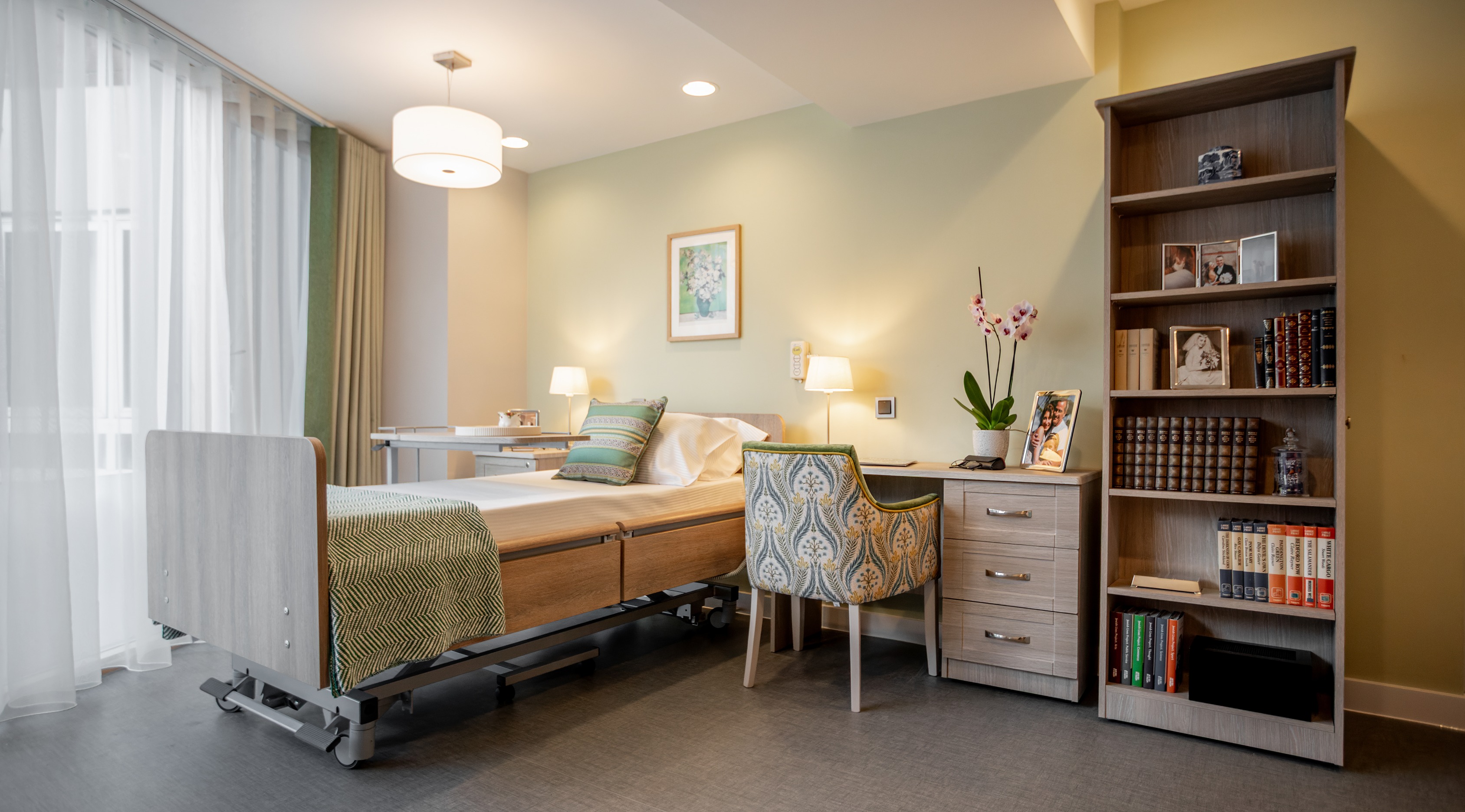
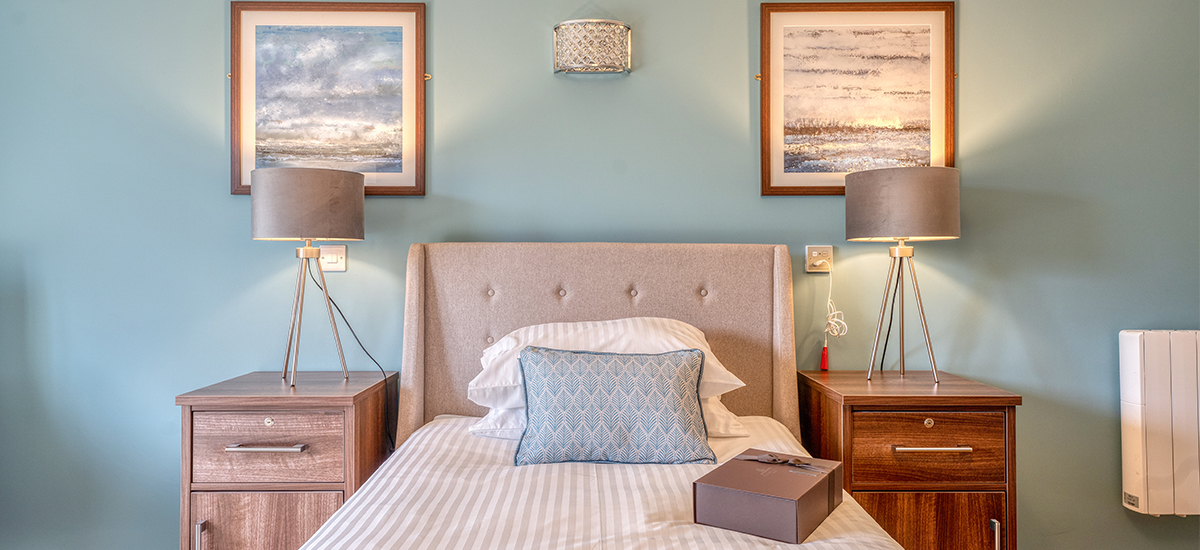
Wardrobes, bedside cabinets, chests, desks, headboards and bedroom chairs. Look for damaged surfaces, loose handles, worn runners, unstable frames or pieces that no longer reflect the standard you want residents and families to see.
-
Communal furniture
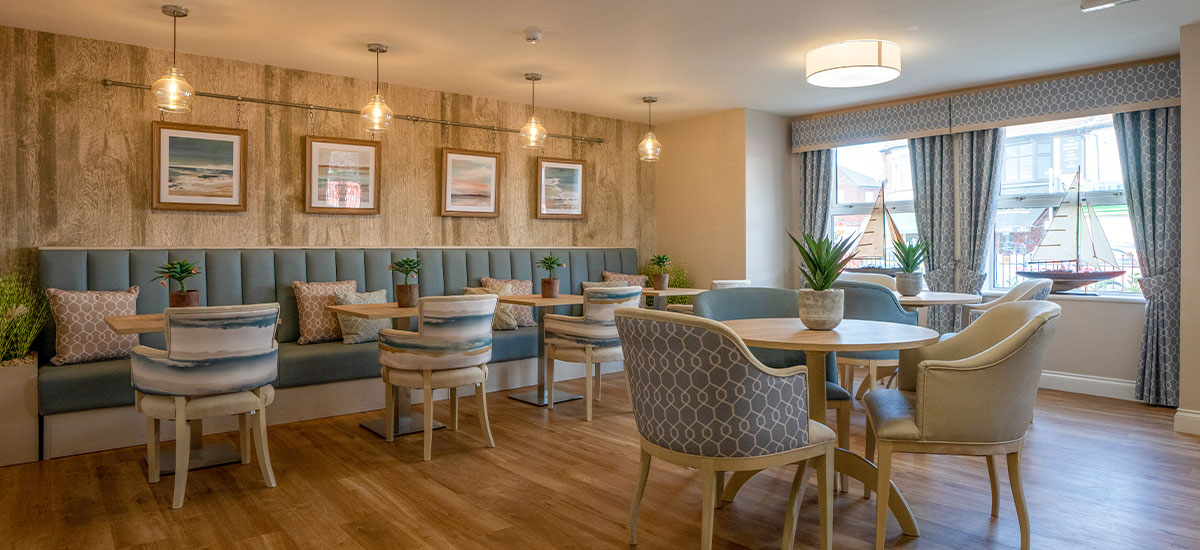
Lounge seating, dining chairs, tables and occasional furniture. Check cushion shape, frame stability, fabric condition, cleanability and whether residents are avoiding certain seats. Think about whether the mix of chair sizes and styles is conducive to ensuring residents can enjoy the space and socialise with each other.
-
Curtains, blinds and accessories
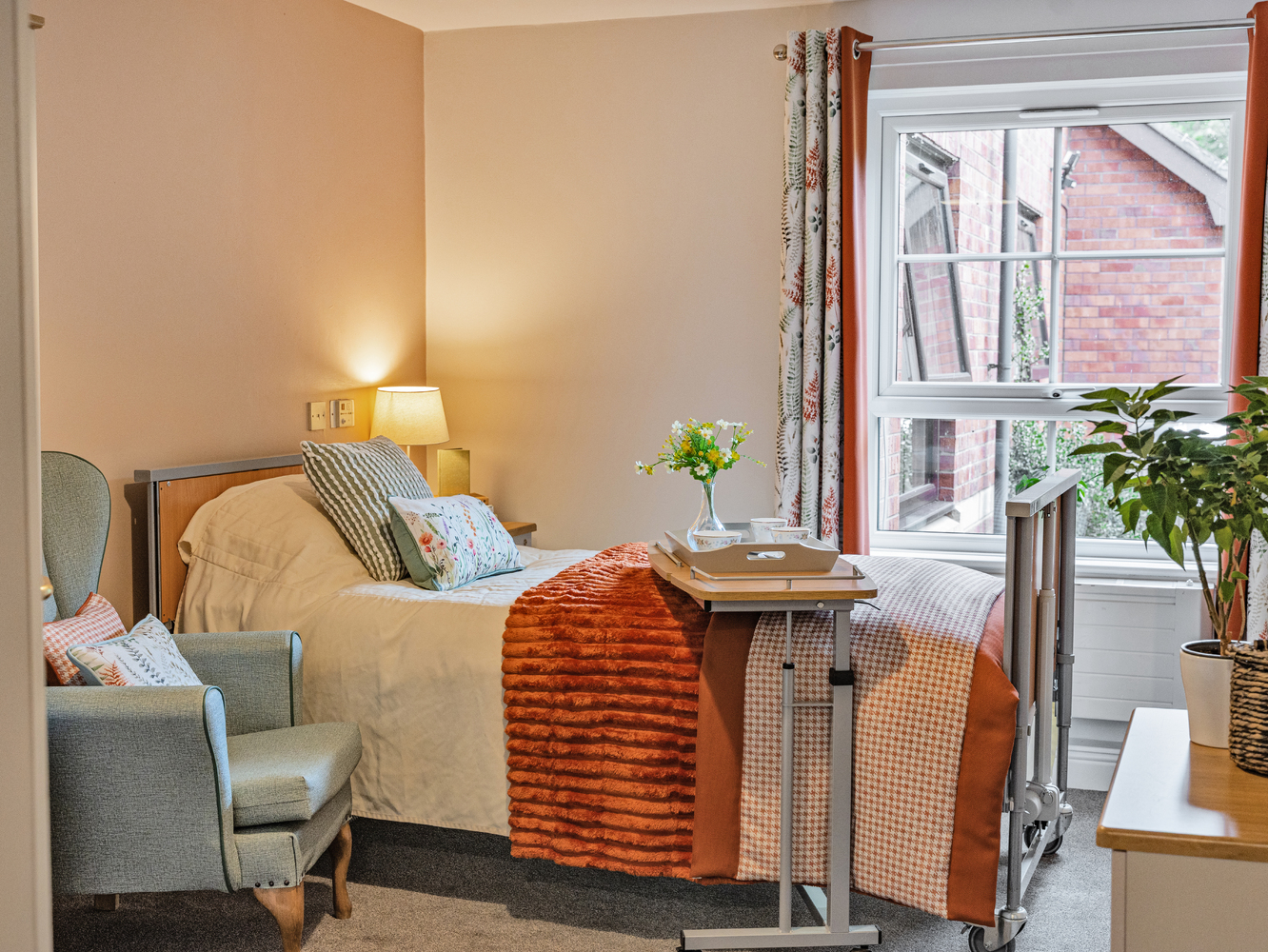
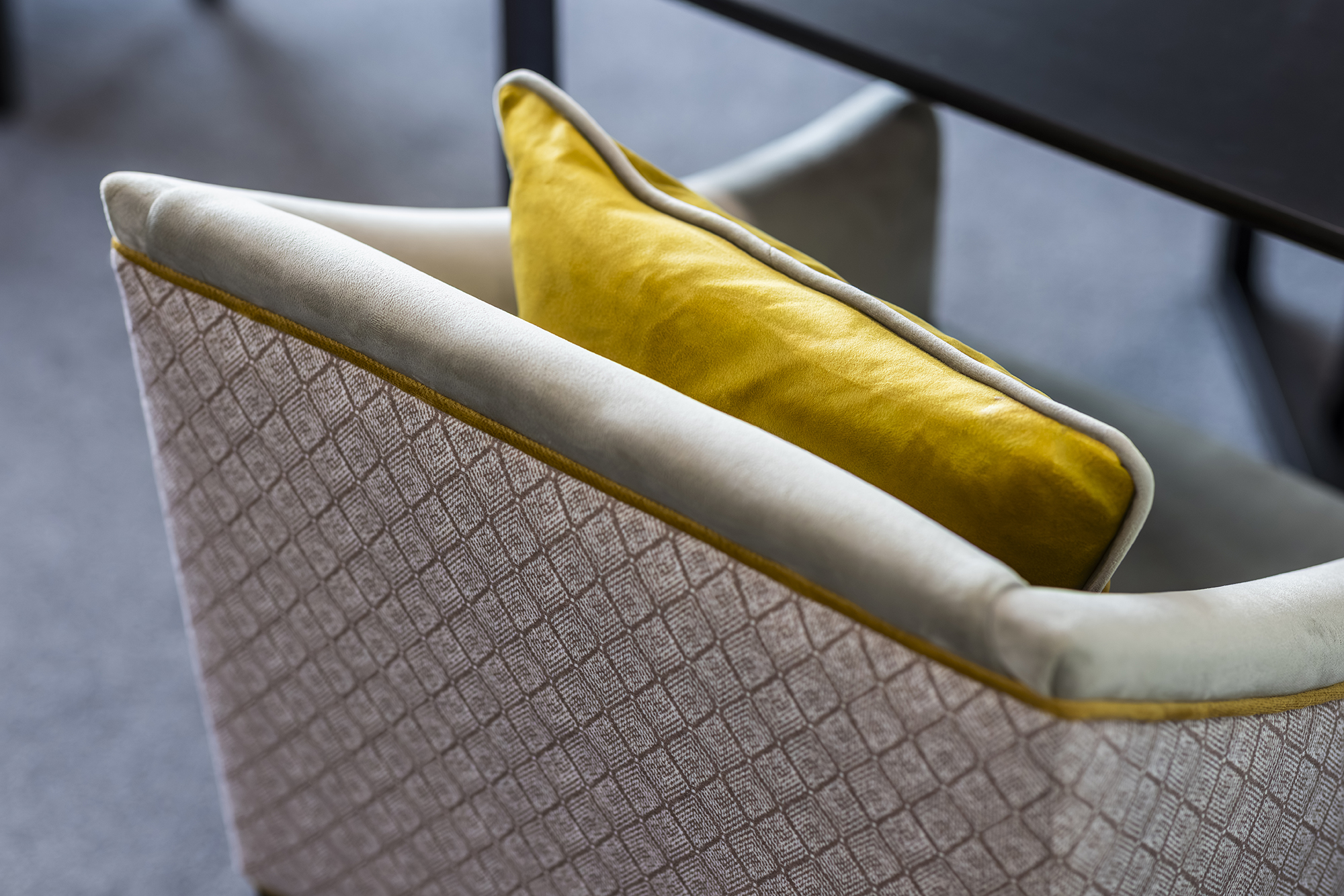
Soft furnishings affect privacy, light control, comfort and the overall feel of the space. If they are tired, difficult to operate or inconsistent across the home, it may make sense to include them in the same phased plan. Other small soft furnishing accessory items like cushions are a great addition to furniture refreshes, as they can lift a space and improve the feel of a room by adding visual interest through a patterned fabric or a pop of colour.
-
Room sizes and access
Care home bedrooms can vary, especially in older buildings or extended homes. Check room measurements, doorway widths, corridors, lifts and delivery routes before anything is ordered.
-
Resident needs
Dementia care areas, higher-dependency rooms and communal spaces may need different furniture considerations. Build this into the specification from the start.
Once complete, your audit becomes the working document for the rollout. It helps you decide what needs replacing first, what can wait and where standardisation will make the biggest difference.
Decide what to standardise
Standardisation is one of the biggest advantages of planning across a portfolio.
A consistent core specification makes ordering easier. Site teams know what to request. Procurement teams can manage approved products more clearly. Replacements are simpler because the same ranges, finishes or fabrics can be repeated based off past purchase orders. It can also support a more consistent experience for residents and families across the group.
Standardisation does not mean every home has to look identical.
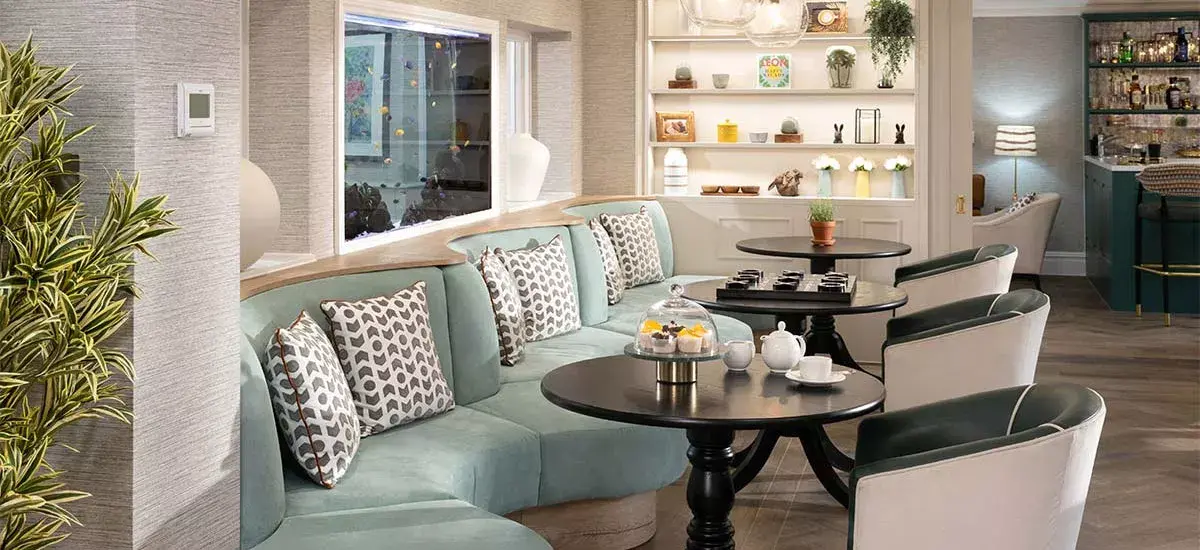
A good specification can set the core product styles, quality requirements and safety considerations, while still allowing each home to choose from a range of pre-approved design schemes which give a variety of choices for fabrics, wood finishes and product variations.
For example, a care group might use the same bedroom cabinet range across all homes, but offer a small number of finish choices. Lounge chairs might be chosen from a set range of product families, while upholstery varies by scheme.
That balance keeps procurement controlled without making spaces feel flat or impersonal.
Build the plan around bedroom downtime
Bedroom downtime is often one of the biggest concerns during a furniture upgrade.
The aim is to keep the gap between clearing a room and making it ready again as short as possible.
A simple sequence helps:
-
Confirm the room list and measurements before ordering
-
Agree the furniture, finishes, fabrics, curtains and blinds in advance
-
Complete any repairs, decoration or flooring work before delivery
-
Remove old furniture at the right time, not too early. This can even be done at the point where the new furniture is delivered.
-
Coordinate delivery so products arrive when the room is ready
-
Check drawers, doors, fittings and finishes before the room is handed back
Small details make a real difference here: if furniture arrives before a room is ready, it creates storage problems. If old furniture is removed too soon, the room may sit empty longer than needed. If measurements are wrong, installation can be delayed.
Good phasing reduces these risks by giving each home a clear plan and a manageable number of rooms to focus on at one time.
Choose the right phasing route
There are several ways to structure a rollout.
By site
Complete one home before moving to the next. This works well when each home has different needs or when site teams need close support.
By wing, floor or corridor
Useful in larger homes where disruption can be contained to one area at a time.
By room type
Upgrade all bedrooms first, then move on to lounges, dining rooms or reception areas. This can help when bedrooms are the biggest operational priority for the home’s income.
By urgency
Start with the areas where furniture condition, occupancy needs or upcoming works make replacement most pressing.
The best route is the one that fits how your homes actually operate.
Specify for dementia-aware, high-use environments
Care home furniture needs to feel warm and familiar, but it also has to perform.
In dementia care settings, furniture should be easy to recognise, comfortable to use and practical for daily care routines. Contrast, clear shapes and familiar forms can help residents understand their surroundings more easily.
When choosing furniture, consider:
-
Visual clarity
Furniture that blends too closely into the wall or floor can be harder to identify. Contrast between furniture, flooring and walls can support orientation. Contrast piping and leading edges is a popular practical application of this point.
-
Familiar design
Rooms should feel homely, not clinical. Warm finishes, simple shapes and recognisable furniture forms can help create a calmer space. Artwork on the wall that matches the environment it’s in is another popular choice, e.g. food related artwork in the dining rooms.
-
Comfort and support
Chairs should support residents when sitting and rising, with suitable arm & seat heights and stable frames.
-
Cleanability
Surfaces, fabrics and upholstery should suit the cleaning routines of a care environment. Ask your supplier about the “Martindale” of a fabric, which is a unit that measures and compares the durability of fabrics by testing how many rubbing cycles they withstand before showing wear.
-
Durability
Drawer runners, hinges, frames, edges and finishes need to withstand daily use.
This is where contract specification matters. Furniture for care homes has to work harder than domestic furniture, so it should be chosen for the environment it will be used in.
Plan soft furnishings at the same time
Furniture is only part of the room.
Curtains, blinds, cushions and bed accessories all affect how a space feels and how well it works. They influence privacy, light control, comfort, cleaning and the overall finish of the scheme.
Planning them alongside furniture helps avoid mismatched decisions later.
It also makes phased rollout easier. If each phase includes agreed furniture finishes, approved fabrics and suitable window treatments, the site team has a clearer picture of what is arriving and how the finished space should look.
For multi-site care groups, this can be especially useful. A set of approved furniture and soft furnishing options gives each home choice, while keeping procurement and repeat ordering under control.
Agree delivery and installation details early
A phased rollout depends on good coordination.
Before each phase starts, agree the practical details with the home and supplier:
-
Delivery date and time
-
Vehicle access and delivery route
-
Lift, corridor or stair restrictions
-
Storage arrangements, if needed
-
Who removes old furniture
-
Who signs off the room after installation
-
How staff, residents and families will be kept informed
These points may seem small, but they often determine whether or not a phase runs smoothly.
Care homes operate 24 hours a day, so furniture deliveries and installation need to work around the home, not create extra pressure for the team.
Use each phase to improve the next
One of the benefits of phasing is that you do not have to get everything perfect on day one.
After each stage, take a short review with the site team. Were the measurements right? Did delivery arrive at the right time? Was access straightforward? Did the furniture fit as expected? Were residents and staff comfortable with the process?
That feedback can make the next phase quicker, cleaner and easier to manage.
How Edison & Day can support phased furniture upgrades
Edison & Day is a UK contract furniture and soft furnishings manufacturer, working with care home groups and operational environments across the UK.
We manufacture and supply bedroom furniture, lounge and dining furniture, upholstery, cabinets, tables, curtains, blinds and accessories. We also support customers with practical specification, scheme development, rollout planning, onboarding and ongoing account support.
For multi-site care groups, our role is to make furniture upgrades easier to manage.
That might mean helping you create a standard bedroom specification, coordinate upholstery and curtain choices, plan phased deliveries or support repeat ordering through OrderEx.
For urgent requirements, our DayEx fast turnaround service can support rapid-response needs on selected items. Lead times can be tailored to client requirements, with selected items sometimes available from as little as 5 working days, subject to agreement.
Our furniture is also supported by a 5-year no-quibble manufacture warranty, giving care groups added confidence when planning long-term investment across several homes.
Conclusion
Phased furniture upgrades help care groups improve bedrooms and communal spaces without creating unnecessary disruption.
The strongest rollouts start with a clear audit, a practical specification and a plan that works around residents, staff and room availability. Furniture, upholstery, curtains and blinds should be considered together, so each phase feels coordinated and easy to repeat.
For multi-site operators, the goal is simple: better spaces, fewer delays and a process that feels manageable from one home to the next.
Planning a phased furniture refresh across several homes?
Edison & Day can help you review your requirements, agree practical specifications and plan a rollout that works around your homes, residents and teams.
Call 01722 342622 or email hello@edisonday.co.uk to discuss your next care home furniture project.
 Read More