Delivered on time



Why does innovation matter in care environments?
Care environments have to work for a lot of different people at once. They are somewhere to live, somewhere to work and somewhere for friends and family to visit. They also need to accommodate practical requirements around infection control, accessibility, maintenance, durability, safety and increasingly complex operational demands.

That can make change difficult. A solution that works perfectly well in another setting might create completely different problems in a care home. A highly clinical finish might make cleaning easier, but if every surface starts to feel institutional, what does that do to the overall feel of the environment? Likewise, a beautiful new communal space is only successful if it also works for residents, carers and the day-to-day running of the home.
It's why meaningful innovation in care often comes from balancing things rather than simply pushing one requirement as far as possible: safety against familiarity, efficiency against personalisation, consistency against choice, speed against quality. The challenge is finding a better way without losing sight of the people at the centre of it.
Sometimes a completely new problem needs a completely new answer
One of the clearest examples of this came in 2020, when care homes suddenly had to find ways of protecting residents from infection while also dealing with the effects of prolonged separation from family and friends. For many residents, face-to-face contact had disappeared almost overnight, and for people living with dementia in particular, the disruption to routine and loss of familiar contact could have a real impact. Garden visits helped during the warmer months, but they were never going to be a year-round solution.
So the question became: how could residents see their loved ones safely, whatever the weather?
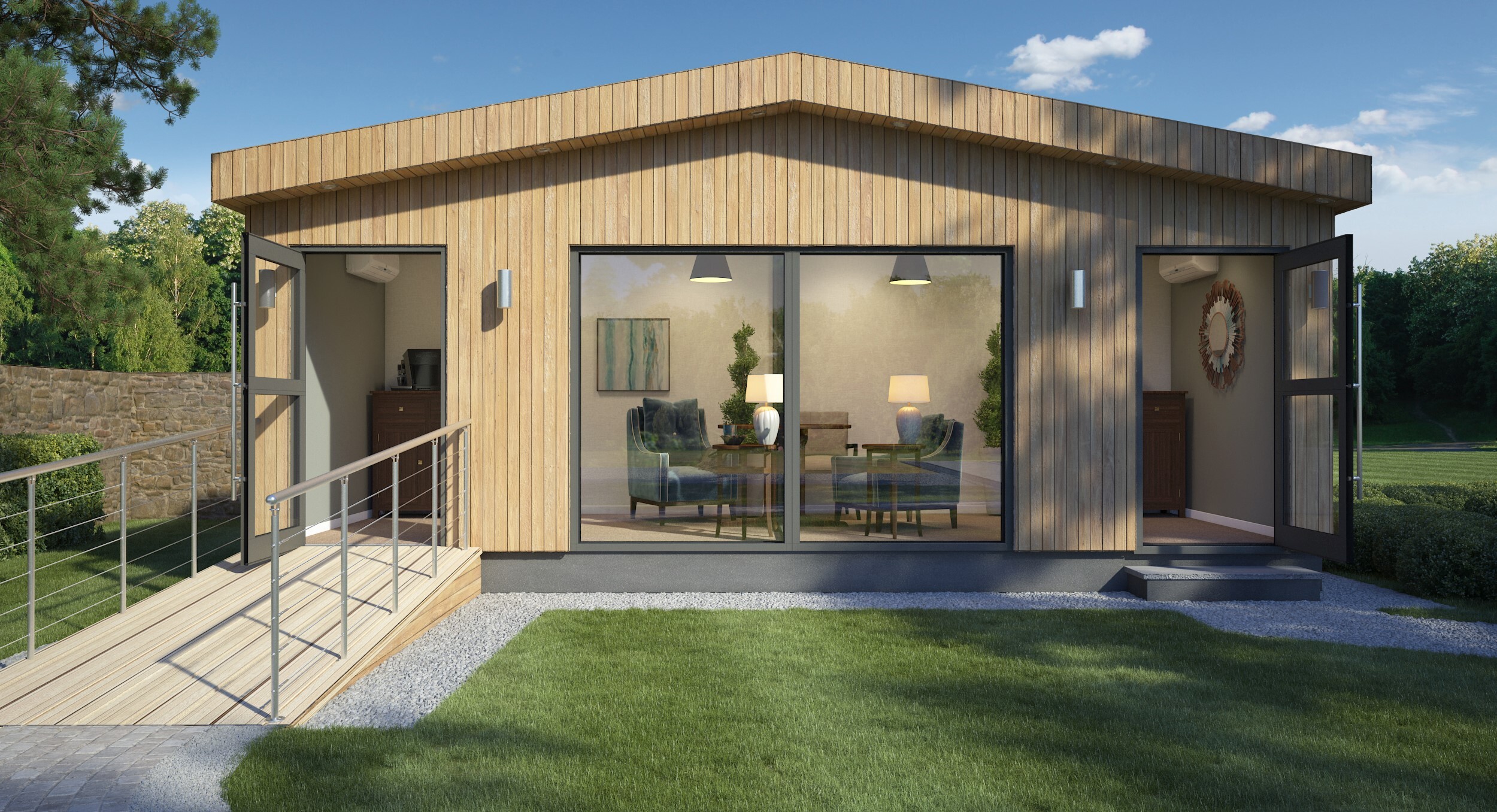
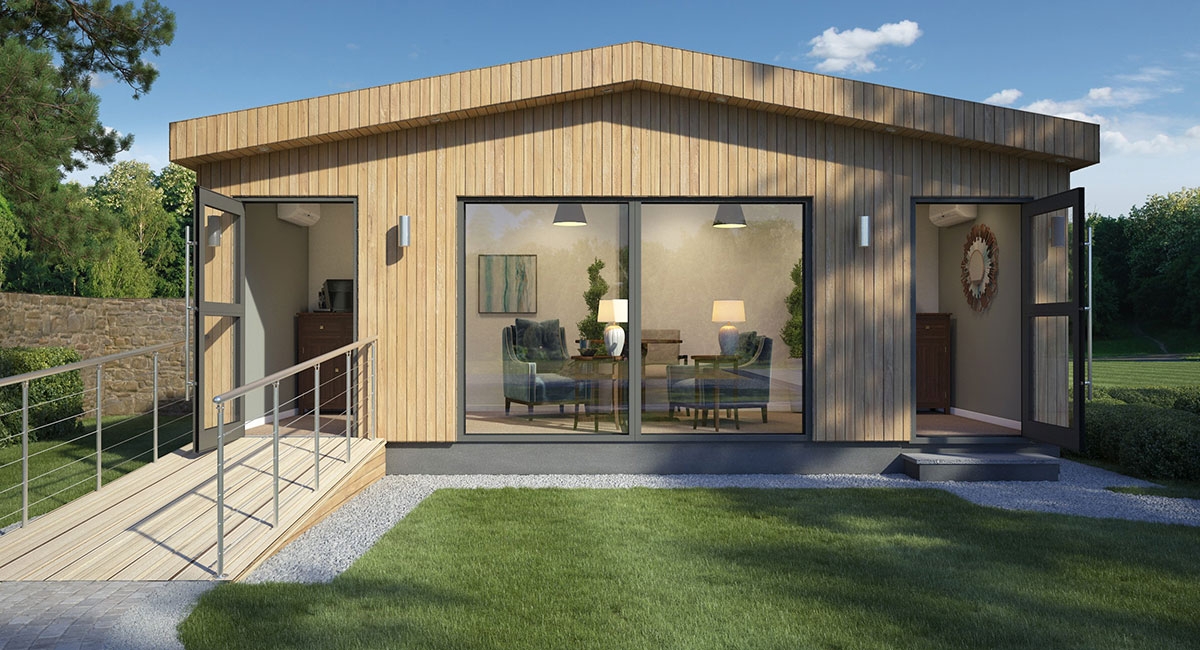
That led to the development of DayLodge®. Rather than adapting an existing room inside the care home, the idea was to create a dedicated external visitor environment, built around that particular problem. The resulting space had separate areas for residents and visitors, divided by a clear central screen, with two-way audio so they could talk naturally without raising their voices. Heating and air conditioning, separate entrances and a decontamination process were built into the specification, so a visit didn't depend on the weather or come with the same level of risk. Several DayLodges were subsequently installed across RCH Care Homes.
The circumstances were unusual, but the principle behind it wasn't. A new problem appeared, the existing options weren't quite right, so something different was developed around what the care home actually needed. That's innovation in perhaps its most obvious form, though it isn't always as visible as a new building.
Innovation can be about the way a space works
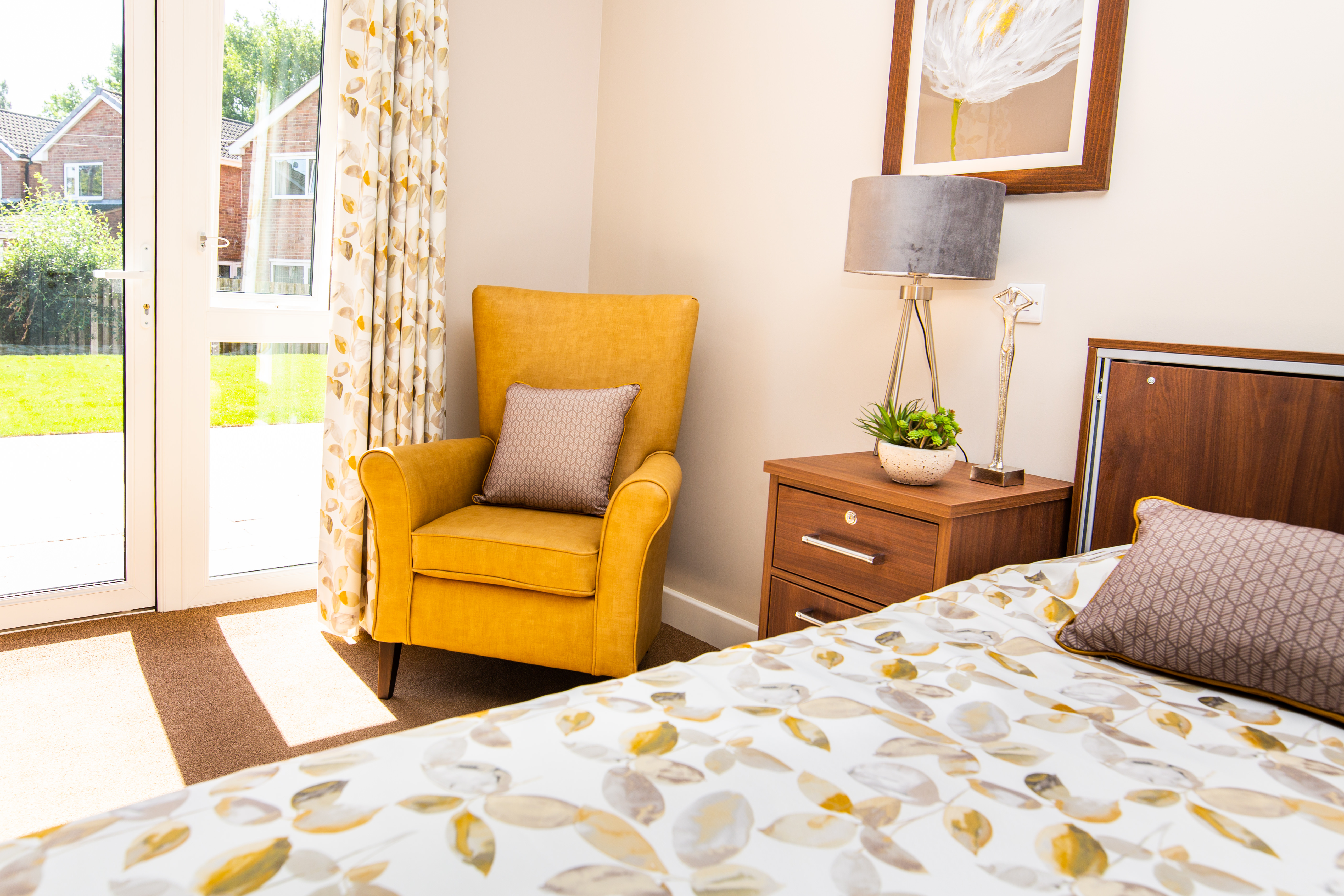
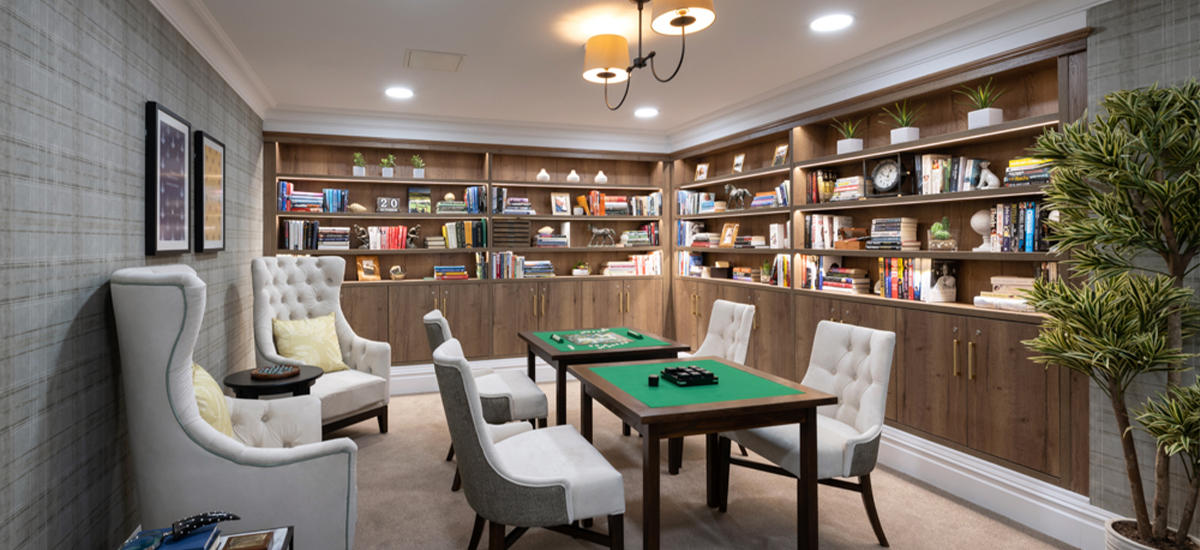
Interior innovation in care doesn't necessarily mean filling a home with the latest products. Often, it's about understanding how the environment influences the people living and working within it: how easily residents can find their way around, the contrast between floors, furniture, doors and walls, lighting and glare, acoustics, and how easily people can get outside. It's also about the balance between communal and quieter spaces, how furniture supports different levels of mobility, and whether a room feels comfortable and personal rather than institutional.
For residents living with dementia, some of these decisions carry more weight than they might first appear to. Colour contrast can help make furniture, doors or facilities easier to identify. A pattern that looks harmless on a moodboard can become confusing once it's repeated across a large floor area. A highly reflective surface can create glare, or even appear wet.
But there's another side to this too. Designing for care shouldn't mean creating an environment that constantly reminds somebody they're living in a care setting. That balance, between practical requirements and somewhere that still feels warm, familiar and considered, is one of the areas where care design has developed the most. Innovation, in that sense, can simply mean applying what's already been learned more thoughtfully.
It can also mean making refurbishment less disruptive
One of the most practical challenges care operators face is improving a building that never really stops operating. In most care homes, you can't simply close a floor for several weeks, move everybody out and start again. Residents still need somewhere to live, staff still need clear routes through the building, bedrooms need to stay available, and lounges and dining spaces still need to function.
That means innovation is just as relevant to how a refurbishment is delivered as it is to the design itself. Phasing work bedroom-by-bedroom, floor-by-floor or area-by-area can allow a home to improve gradually without unnecessarily reducing capacity. Planning furniture, soft furnishings, removals and installation together can reduce repeat visits and prevent rooms sitting unfinished for weeks at a time. For care groups working across several homes, agreeing a repeatable specification up front can also make each subsequent refurbishment considerably easier to manage, with furniture and schemes settled early and deliveries staggered around decoration and room readiness as the programme moves forward.
It isn't necessarily something a resident would ever recognise as "innovation". But for the home team, reducing disruption and making the programme easier to control can have a very real impact.
What about innovation across multiple care homes?
The challenge changes again when you move from one home to a group of ten, twenty or fifty. At that point, even small inefficiencies start to multiply. One home choosing the wrong finish is inconvenient; twenty homes choosing slightly different finishes becomes a much bigger problem. The same applies to pricing, approved products, room schemes, authorisation and order information.
This is an area where digital innovation can be genuinely useful. OrderEx was developed around exactly that type of problem: rather than every home working from separate spreadsheets, catalogues, emails and product lists, care groups can work from agreed products and schemes in one place, while individual homes still order what they need, with different approval structures built around the way the group actually operates. The technology itself isn't really the important part. The useful bit is removing unnecessary decisions, emails and duplicated work from a process that has to happen again and again.
Does innovation always mean more technology?
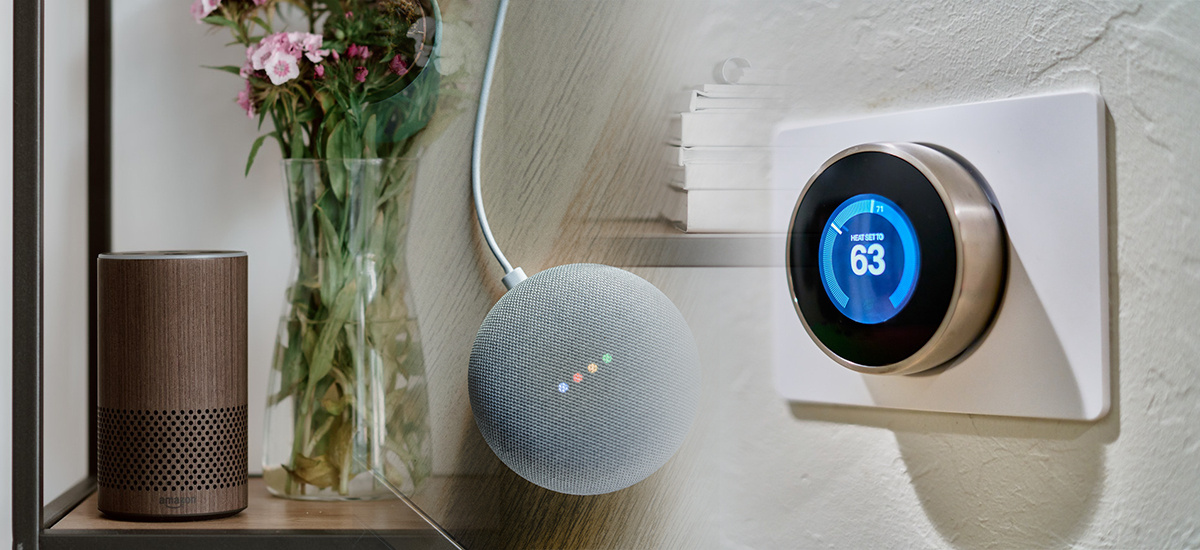
Not necessarily. There's a temptation to assume every problem needs a digital answer. Sometimes it does. But sometimes the better solution is considerably simpler: changing the size of a piece of furniture, making a product easier to clean or maintain, adapting a chair around a particular resident's needs, changing how furniture is packed so it's easier to handle on site, holding frequently needed products differently so they can be supplied faster, or altering a manufacturing process so a product comes out more consistently.
These improvements might never become a big product launch, but collectively they can have just as much impact as something completely new. This is particularly true in care, because so many requirements sit in the detail. A few centimetres of seat height can make a real difference to somebody getting in and out of a chair. The right arm shape can provide useful support. A replacement cabinet being available quickly can be the difference between a bedroom being ready for a new resident and sitting empty. Innovation doesn't always need to be complicated to be valuable.
Speed can be an innovation too
Speed is another area that's easy to misunderstand. The aim isn't simply to deliver everything as quickly as possible. In a care environment, the real question is usually: Where does speed actually matter?
If a care home is replacing furniture as part of a planned refurbishment six months away, a made-to-order lead time may be entirely appropriate. If a bedroom unexpectedly becomes vacant and needs replacing before a new resident moves in, waiting several weeks creates a very different problem. The same principle applies elsewhere: fast answers, quick samples, clear approvals, accurate information, shorter gaps between one stage of a project and the next. Sometimes the biggest improvement isn't making the manufacturing process dramatically faster. It's removing all the unnecessary waiting around it.
Why listening is usually where innovation starts
Perhaps the most important point is that good innovation rarely starts with somebody sitting in a room trying to invent something innovative. It usually starts with listening.
A home manager mentions something that's constantly causing problems. A procurement team explains why an approval process takes too long. A designer needs a product adapted to make a scheme work. A resident needs something slightly different. An operations team notices the same delay happening again and again. Those conversations matter because the people dealing with a process every day are normally the first to know where the friction actually is.
DayLodge started with a problem that care homes were suddenly having to solve. OrderEx came from a different type of problem, around repeat ordering and managing agreed schemes across a group. DayEx addresses another: what happens when waiting several weeks for furniture simply isn't practical. The outcomes look completely different, but the starting point is remarkably similar.
So, what does meaningful innovation in care look like?
There probably isn't one answer. It could be a new product, a better-designed room, a digital ordering system, a different way of phasing a refurbishment, a quicker manufacturing process, a small adaptation to an existing chair, or something that hasn't been thought of yet.
But useful innovation tends to have a few things in common. It starts with a real problem, considers the people affected by it, works in the reality of a live care environment, and, most importantly, makes something genuinely better.
If it doesn't make life easier for the people using it, what's the point?

 Read More