Delivered on time


Whose idea of home?
“Homely” is a word that appears frequently in conversations about care interiors. It can suggest warm timber, soft textures, familiar furniture or a particular style of decoration. But people arrive in care with very different tastes and experiences. A room that feels reassuringly familiar to one person might have little connection with another.

There is also a difference between making somewhere welcoming and allowing someone to feel that they belong there. The latter can depend on whether they recognise their preferences in the space, understand how to use it, and feel able to make decisions about it.
NICE guidance on people's experience of adult social care explicitly includes environments that allow preferences, self-expression and choice. Having personal furniture and pictures is one example. The same guidance also considers positive interactions, privacy and environments that support residents' autonomy.
That gives the design conversation a broader starting point. Alongside asking what a room should look like, there is value in asking what people want to be able to do there, and which decisions they can make for themselves.
Having a choice, and knowing you have one
One of the more revealing findings in research on personal possessions is how little say some residents had in choosing what came with them when they moved.
A 2016 study involving 27 residents across five Dutch nursing homes described moves following hospital or rehabilitation stays, with relatives sometimes making decisions about possessions under considerable time pressure. Residents could discover what they missed only after those belongings had been given away or disposed of.
The study also found uncertainty about what personalisation was allowed. Some residents had the option of choosing wall colours but had never taken it up. It is a small qualitative study, rather than a picture of every care home, but it raises an important point: a choice can exist on paper without becoming something a person feels able to exercise.
In practice, that might mean revisiting preferences once someone has settled in. A decision made during a hurried move may feel different a few weeks later. It may also mean making the possibilities more tangible. Seeing fabric samples, trying a chair or discussing where a favourite picture could hang gives someone something concrete to respond to.
The same principle applies in shared spaces. Residents may have strong views about a proposed lounge scheme, but opportunities to express those views need to be understandable, accessible and offered early enough to influence the result.
Choice is also built into the layout
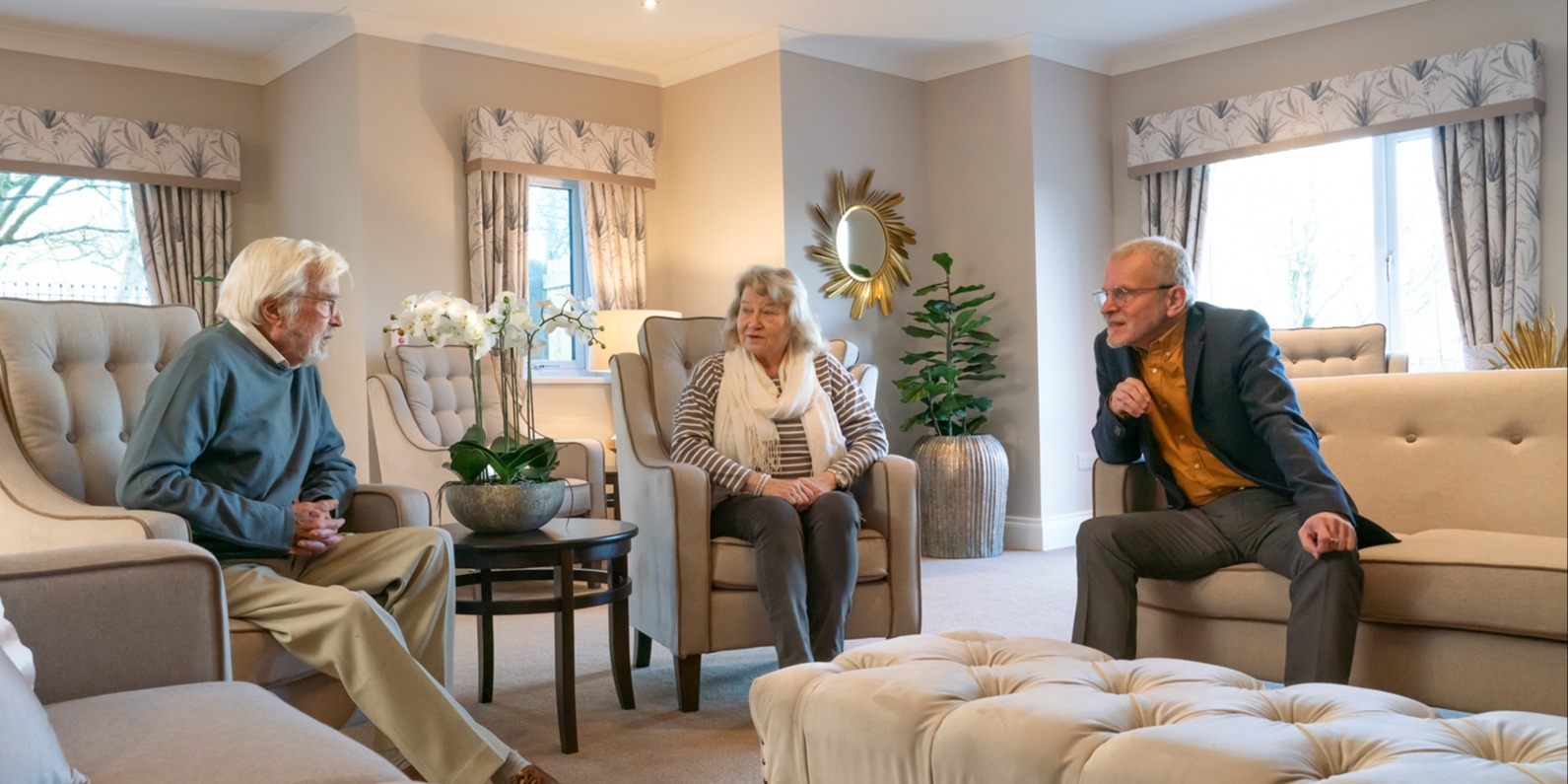
A communal lounge has to accommodate people who want different things from it, often at the same time. Some want company and activity. Others enjoy being nearby without taking part. Some would rather spend time somewhere quieter.
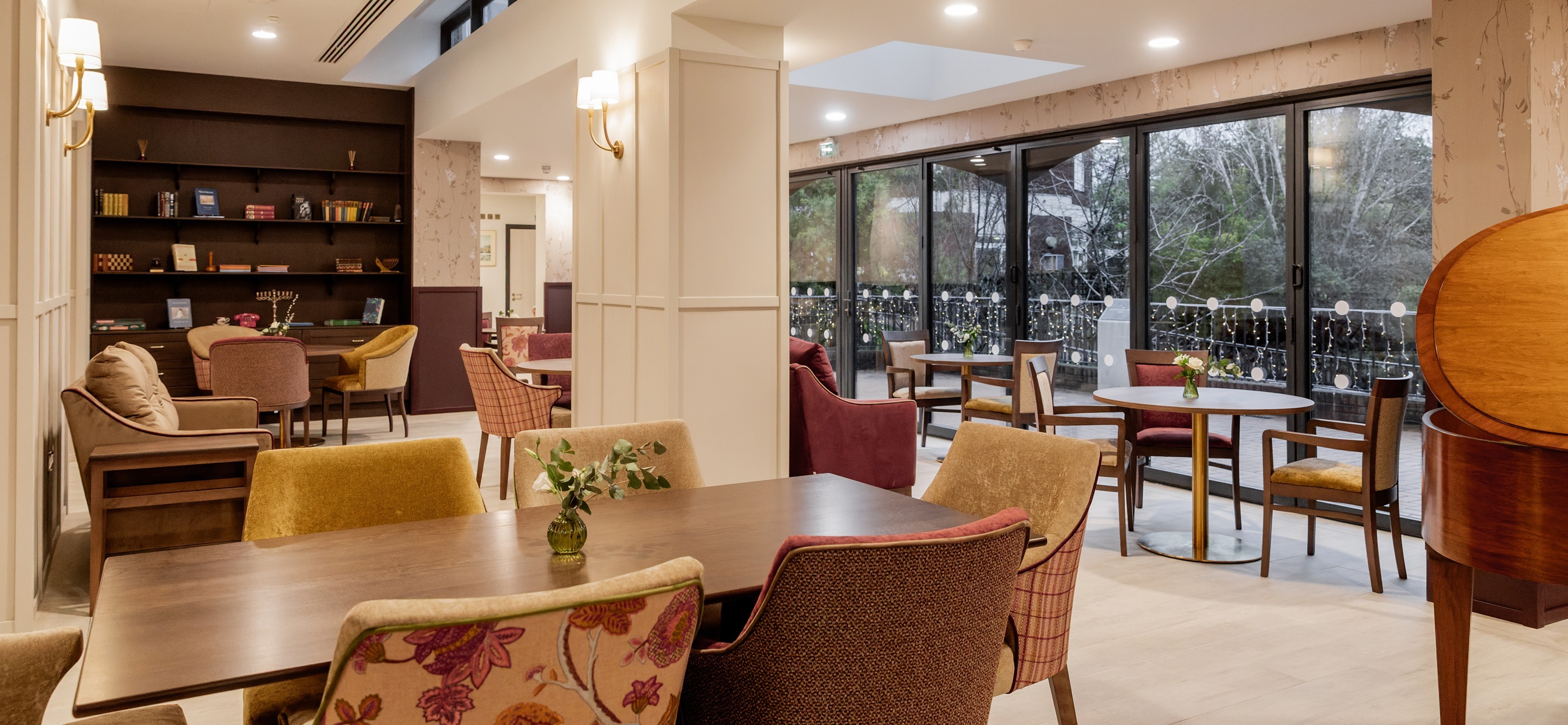
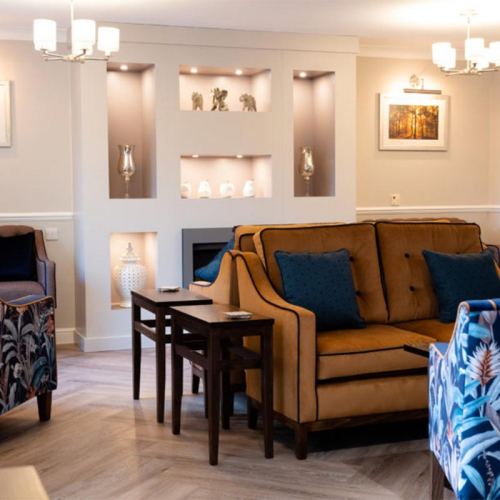
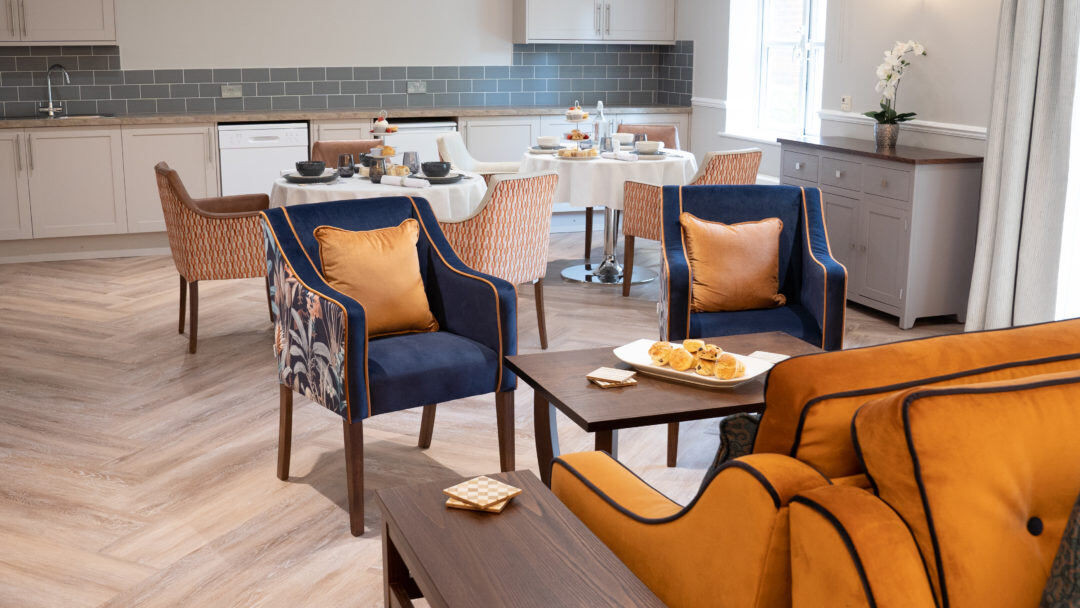
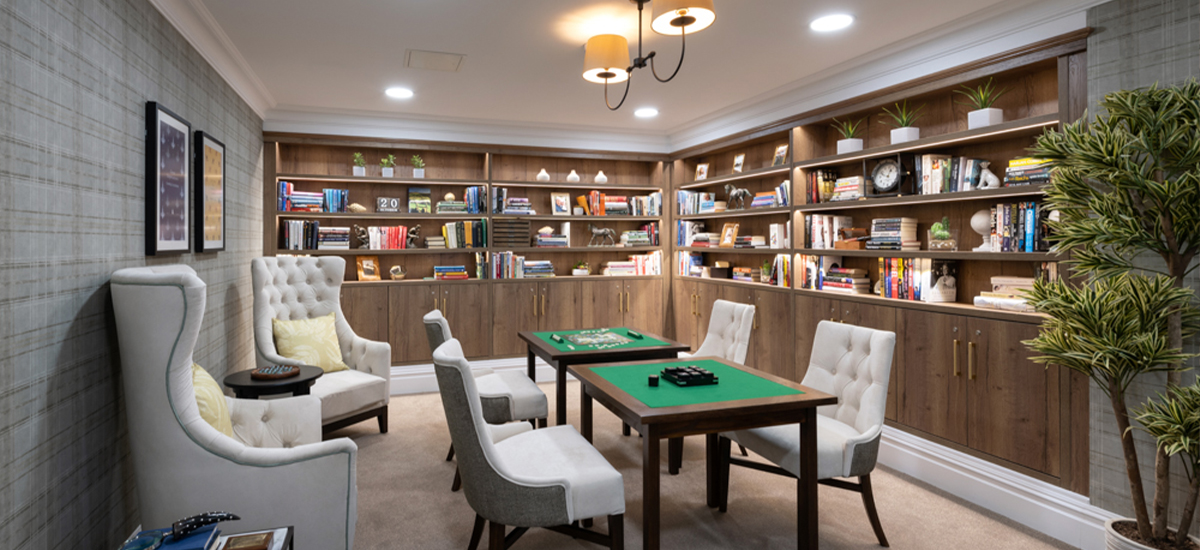
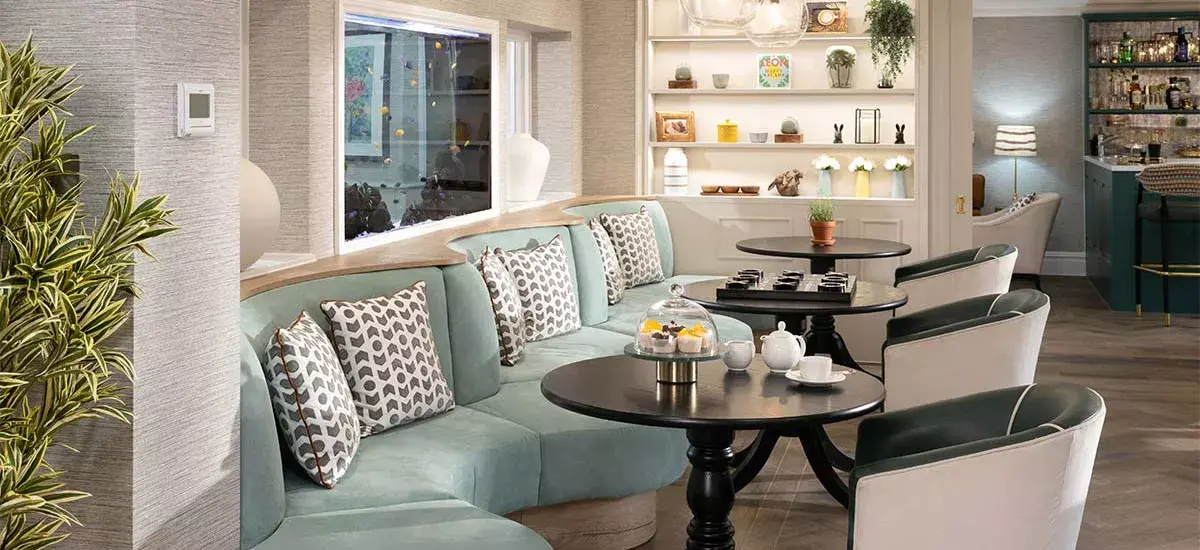
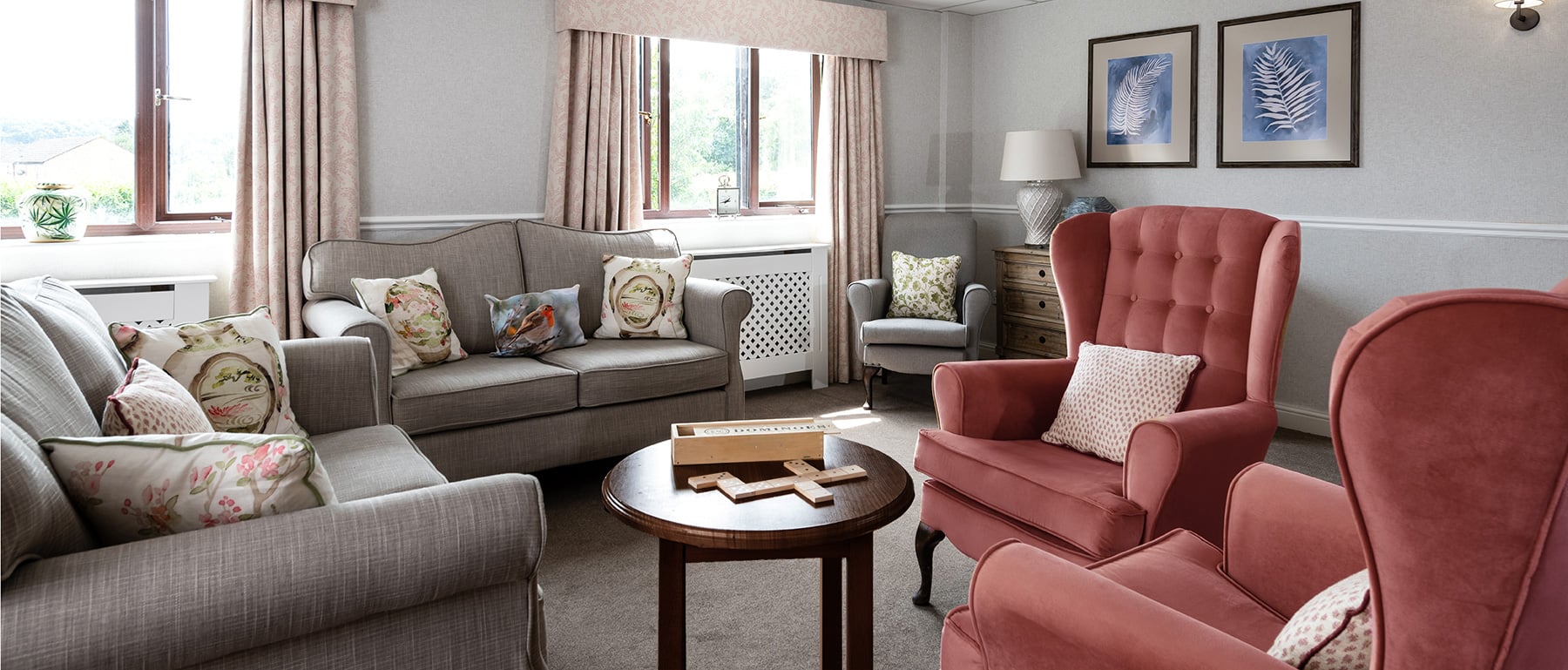
A room with several usable seating settings can give those preferences somewhere to go. A small group of chairs can support conversation. A quieter seat can offer a view of the garden. A table with comfortable access can give a resident somewhere to sit with a visitor or continue an activity they enjoy.
The detail matters here. A quiet corner offers limited choice if the route to it is difficult to negotiate. A table has limited value if the resident cannot comfortably reach or use it. Equally, a room can contain several chair styles while still arranging everybody around one focal point and one shared activity.
This is where comfort, accessibility and the visual scheme meet. Supportive seating, clear routes, reachable surfaces and furniture people can recognise and use help make the options within a room meaningful. The surroundings can then support different ways of spending time, with space for preferences to change from one day to the next.
Familiar things have a life beyond their appearance
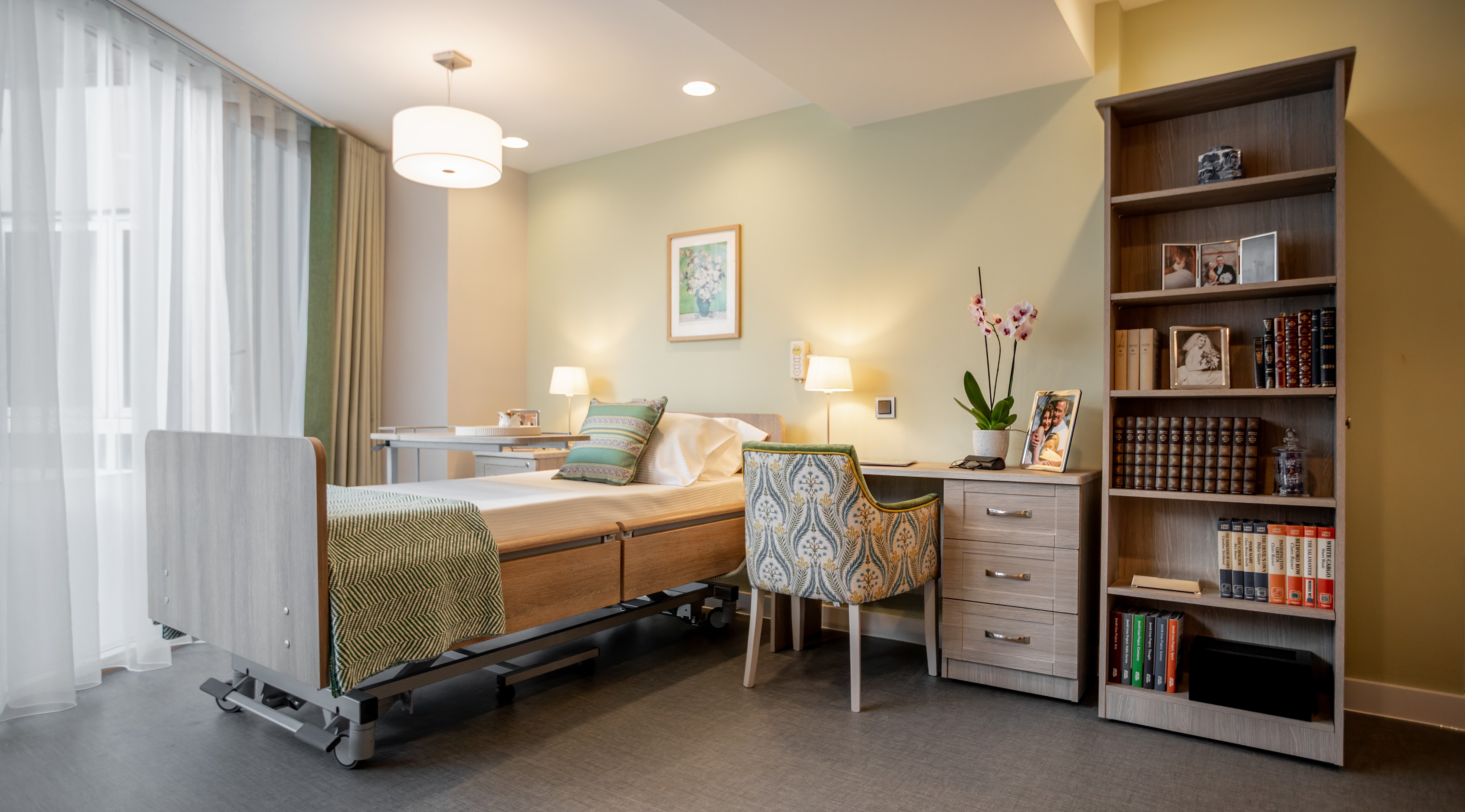
Bringing a familiar chair or cabinet into a bedroom can give someone a connection with the place they have left. Its significance may come from years of use, a particular routine or the person associated with it.
That meaning can be easy to miss when a room is being considered mainly as a finished scheme. A piece may have a different timber tone or upholstery from the new furniture, yet still be the item that matters most to the resident. Where it is suitable for the setting, surrounding fabrics and finishes can help it sit comfortably within the room. Planning some flexibility into a scheme gives these conversations more room to happen.
Research also draws attention to how people use possessions. A UK ethnographic study published in 2021 explored access to everyday objects among people living with dementia in a care home. It highlighted the connection between functional objects, personal identity and opportunities to exercise control.
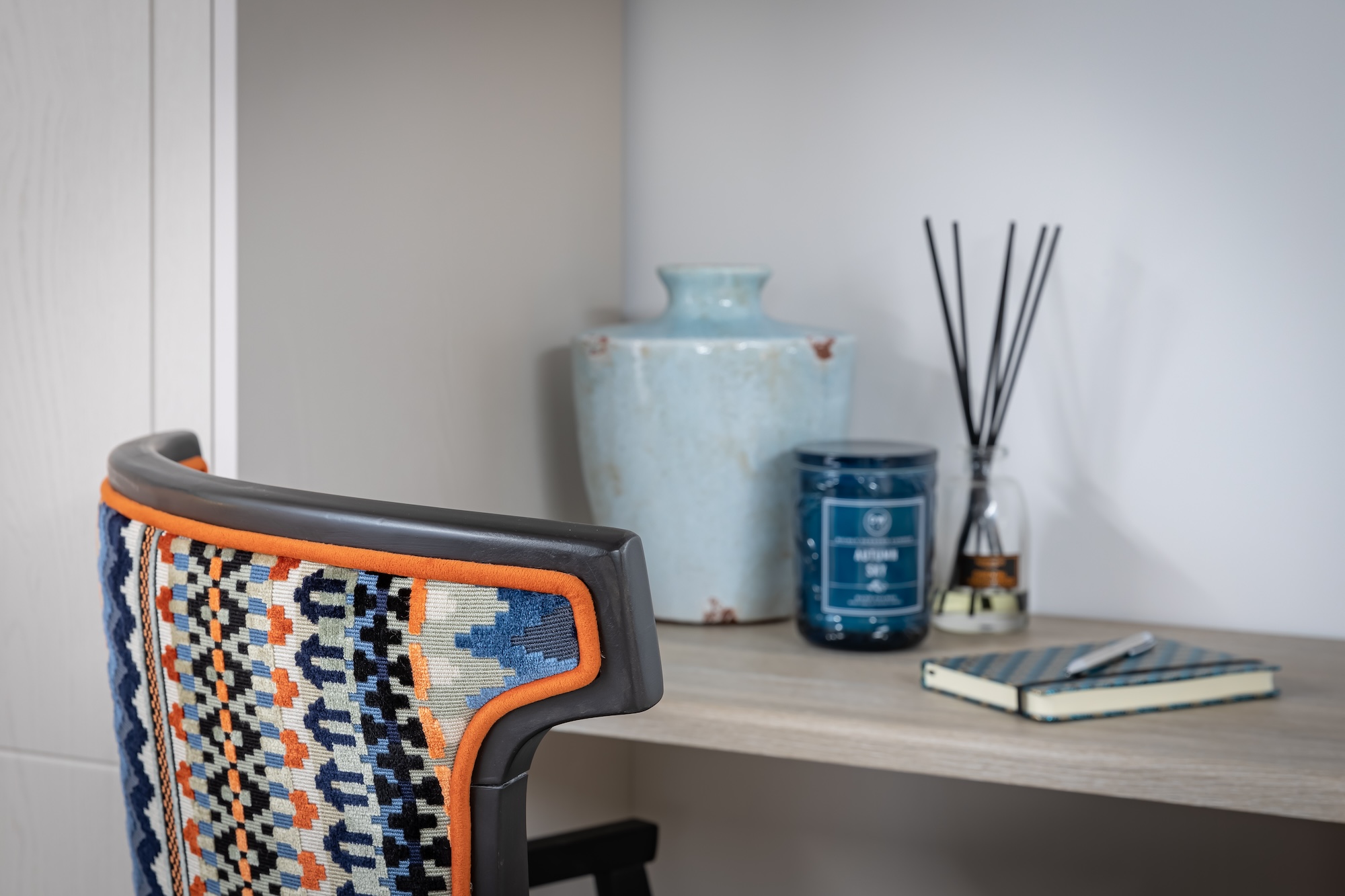
For the environment, the implication is to consider what familiar objects enable someone to do. A suitable surface for writing, accessible storage for something they use regularly, or a place to continue a familiar pastime can make a room more useful to the person occupying it.
Individual preferences remain central. The Dutch study found that some residents placed more importance on relationships and autonomy than on possessions. Familiarity will mean different things to different people, and those meanings deserve to be explored.
A shared scheme can still be shaped by the people using it
Care groups need dependable specifications. Furniture must work for residents and staff, withstand daily use and be practical to maintain. Those requirements can provide a sound foundation for offering choice.
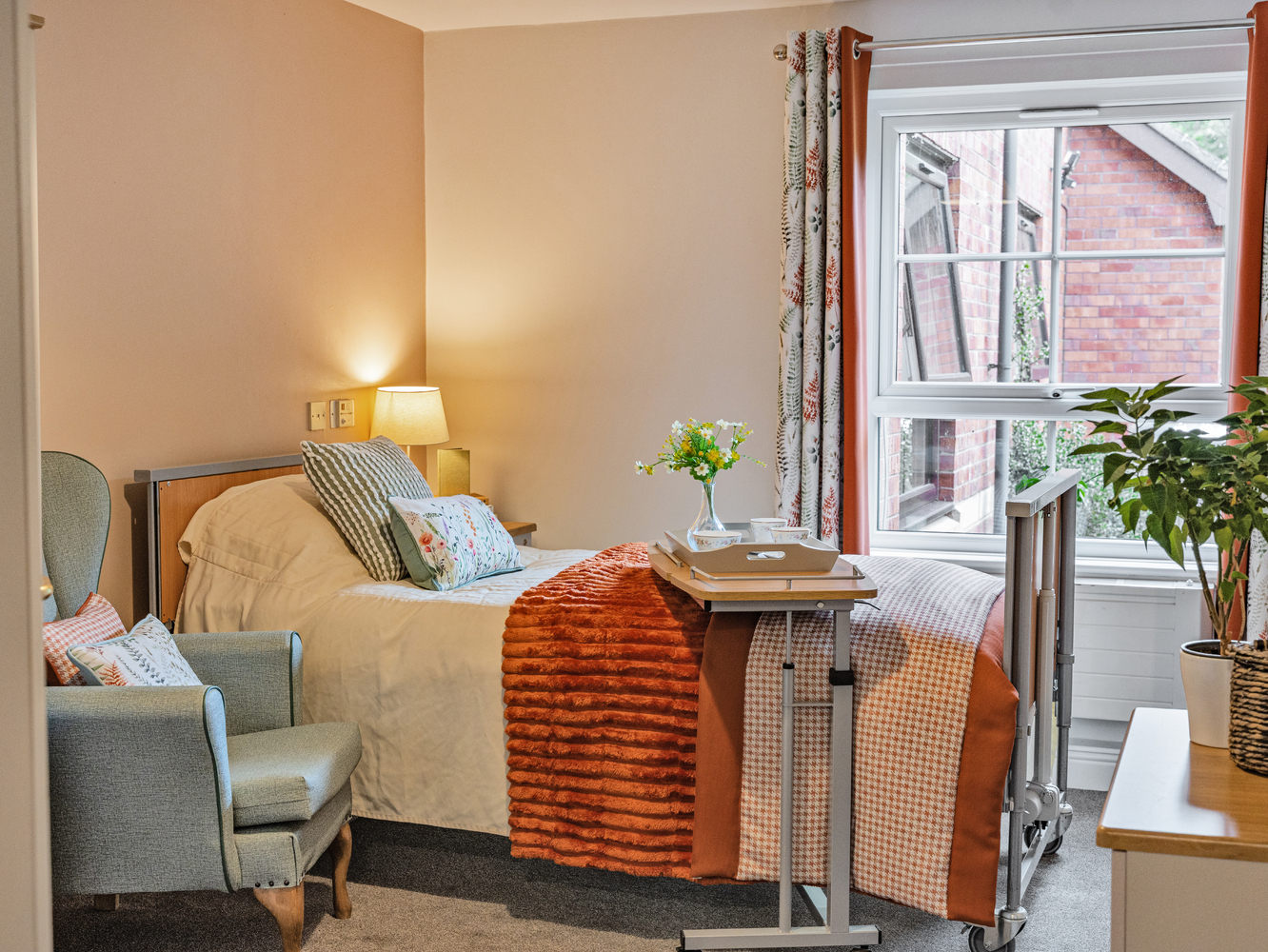
For example, a group might agree a family of suitable chairs and fabrics, then involve residents in selecting the combinations for their lounge. A bedroom scheme might coordinate new cabinetry and curtains while allowing space for a resident's own suitable piece. Within shared areas, different seating settings can offer variety while using a consistent palette.
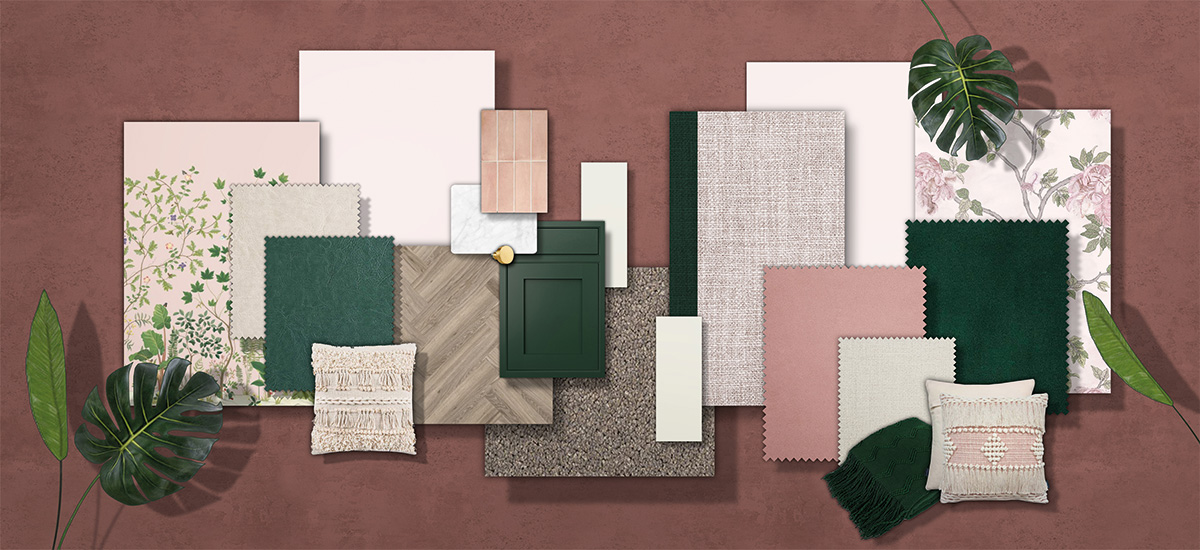
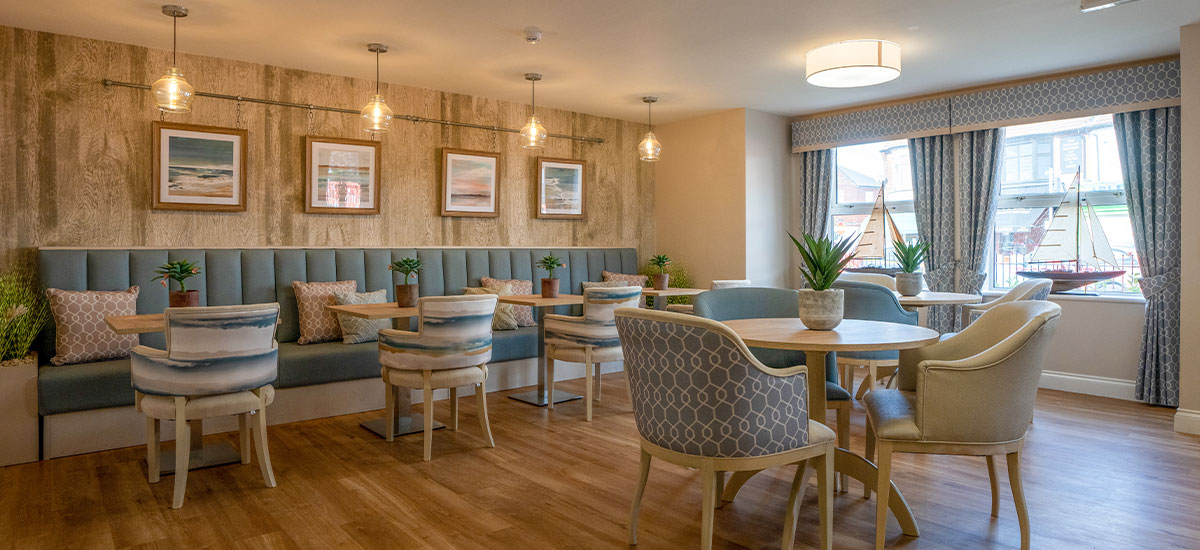
At Nightingale House, mood boards were displayed so residents and team members could respond to proposed colours and fabrics for the café. The completed space included dining furniture, relaxed lounge seating and larger tables for families and groups. Completing the work in stages also allowed the home to observe how the first areas were used before making further decisions.
That continuing feedback is valuable. A drawing can show where furniture will go; living in the space reveals which seats people favour, where conversations happen and which arrangements need another look.
Making room for individuality in everyday care
Practical requirements deserve careful attention throughout. An individual piece of furniture needs to suit the room, the resident's needs and the provider's fire safety, cleaning and maintenance arrangements. Personalisation also needs to leave sufficient access for daily care and equipment.
The adult social care infection prevention guidance for England, published in October 2026, recognises the importance of homely environments and calls for a proportionate approach that considers safety, dignity and wellbeing. These considerations belong in the conversation about how to make a resident's preferences work in their setting.
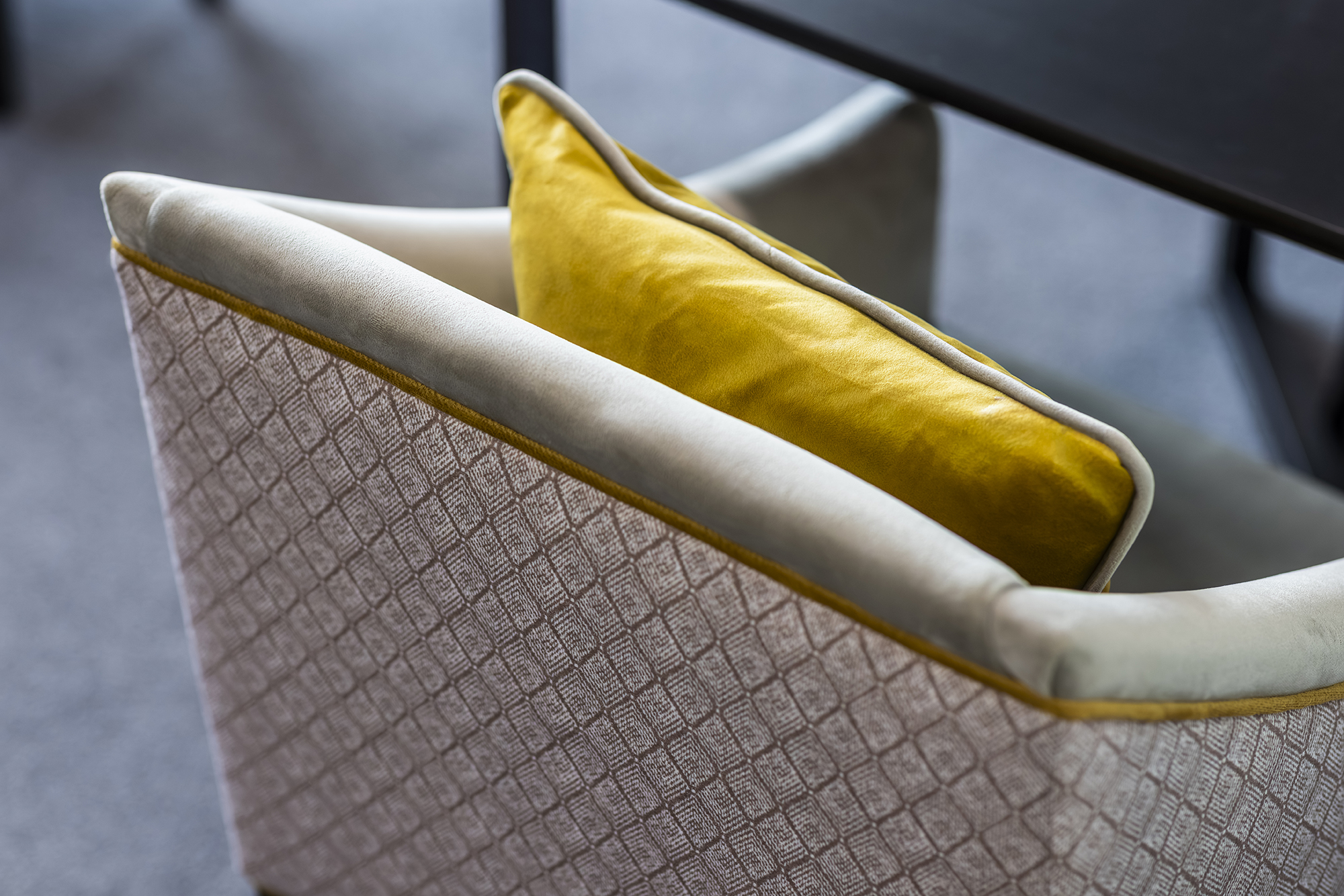
Furniture and soft furnishings can contribute warmth, comfort and character. Their lasting value also depends on how they support the people living around them: choosing where to spend time, welcoming someone into their space, keeping something meaningful close by, or having their opinion shape a decision.
At Edison & Day, these are useful conversations to have when supporting a care home's furniture and soft furnishings scheme. Understanding how a space will be lived in helps us bring together suitable products, coordinated finishes and practical options around the people who will use them.
A finished room is the beginning of that experience. As residents settle in, express preferences and make the space part of their daily lives, there should still be room for it to become their own.
 Read More